


Tips to Help Your Child with Reading at Home

Helping your child become a confident reader doesn’t have to feel stressful. Small, consistent steps at home can make a world of a difference. Whether your child is just beginning to sound out letters or is working to strengthen fluency and comprehension, the support they receive from you sets the foundation for lifelong learning. Together, we’ll explore simple, practical tips you can easily incorporate into your daily routine to make reading fun, meaningful, and a natural part of everyday life for your child.
1. Read together daily.
When reading is a challenge for children, they often avoid it at all costs. Let’s face it,
most people avoid tasks that are difficult! As a parent, it is important to make reading fun
and a part of your bedtime routine. Take turns reading aloud to one another, this way you
are modeling reading and your child is practicing their skills.
2. Reread books that your child enjoyed and that are slightly below their reading level.
Let’s face it, when we enjoyed doing something we, want to do it again! Reading should
be the same. There is a sense of familiarity and comfort when we repeat an activity,
rewatch a movie/TV show, or even reread a book. By rereading a book that your child
enjoyed it will help improve their reading fluency. The more fluent of a reader they
become, the more confidence they will have in their reading abilities!
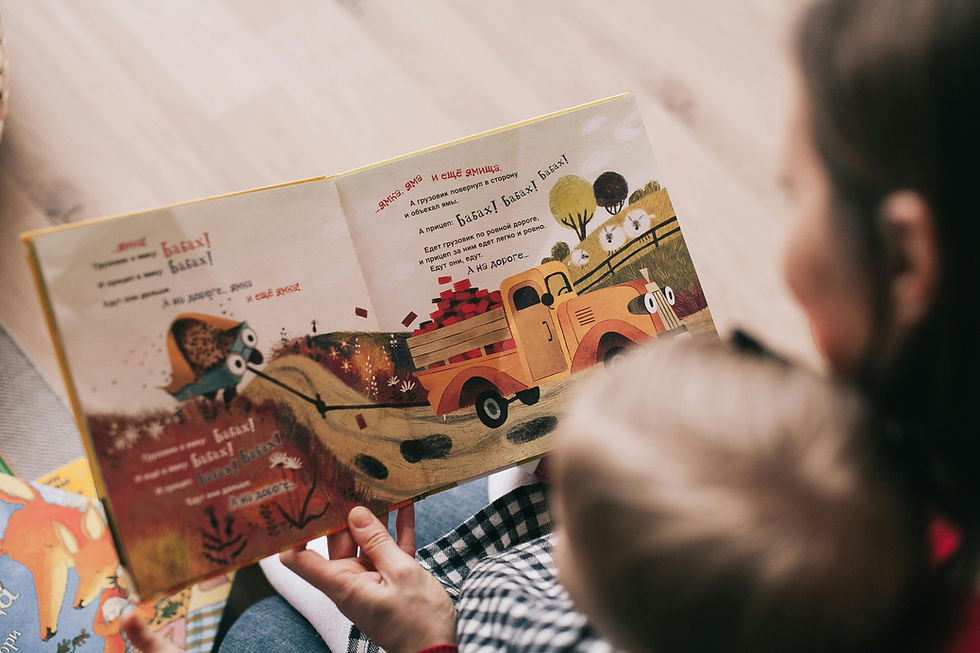
3. Focus on high-low books.
High-low books are books that have a high interest, low demand (e.g., graphic novels,
picture books). If your child does not feel a sense of pressure while they are reading, they
will want to keep doing it. Don’t look down on graphic novels or books with pictures,
they are just as valuable. Reading is reading!
4. Talk about what you are reading.
Ask your child questions about what they think will happen in a story or about what they
read (e.g., Did you understand what they were doing? Did you see that coming? I wonder
what is going to happen to this character…?). This will help your child become a more
active and engaged reader. It will also help improve their inferencing and reading
comprehension skills.
5. Ensure you are reading books at on your child’s reading level.
There is always opportunity in school to read books that are above their reading level, but
at home, keep reading light and enjoyable. When you have your child read above their
ability, you risk frustration which can lead to shutdowns and avoidance.
Remember, your child’s reading journey doesn’t require perfection ... just patience, curiosity, and a willingness to explore stories together. By creating a positive reading environment at home, you’re not only building literacy skills but also nurturing a love of learning that will benefit your child for years to come. Remember, every page turned is progress. Keep it enjoyable, stay consistent, and celebrate the small victories along the way.


Comments